Media Summary: Viruses cause disease in a host - a process called pathogenesis - through a combination of the effects of virus replication and the ... Virulence is the capacity of a virus to cause disease. In this Viral pathogenesis, the development of disease in a host, is the outcome of both viral reproduction and the immune response.
Virology Lectures 2020 15 Mechanisms - Detailed Analysis & Overview
Viruses cause disease in a host - a process called pathogenesis - through a combination of the effects of virus replication and the ... Virulence is the capacity of a virus to cause disease. In this Viral pathogenesis, the development of disease in a host, is the outcome of both viral reproduction and the immune response. Pathogenesis is the process that leads to disease in a host, which is a combination of the effects of virus replication and the ... Viral pathogenesis, the development of disease in a host, is a combination of the effects of virus replication and the immune ... In the infected host, viruses must not only multiply but leave the host and find a new one. In this
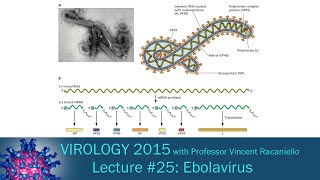
Ebolaviruses first infected human in 1976, but it was not until the 2014 outbreak, the largest ever, did they capture the world's ... Ecology, the study of the relationships of organisms to each other and to their environment, is highly relevant to viruses. In this ...