Media Summary: Reflections by Sverker Sörlin, Professor in environmental history, KTH Royal Institute of Technology, Stockholm. How stable is our planet? PIK Director Johan Rockström explains Michael Urban, Chief Sustainability Strategist for

Planetary Boundaries Its Impact Beyond - Detailed Analysis & Overview

Reflections by Sverker Sörlin, Professor in environmental history, KTH Royal Institute of Technology, Stockholm. How stable is our planet? PIK Director Johan Rockström explains Michael Urban, Chief Sustainability Strategist for Professor Johan Rockström, co-founder of

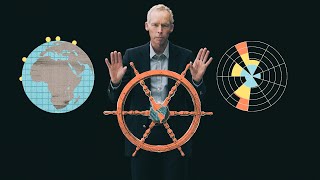
Photo Gallery

Planetary Boundaries: its impact beyond science
10 years to transform the future of humanity -- or destabilize the planet | Johan Rockström
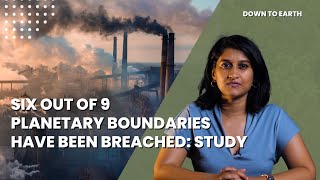
Six of nine planetary boundaries now exceeded: Study | WION Climate Tracker
How stable is our planet? Johan Rockström explains Planetary Boundaries | PIK's core research topics
Impact of crossing planetary boundaries on humans and earth?
Planetary Boundaries: What are they and why shouldn't we cross them? | FT Rethink
Planetary boundaries – a science update by professor Johan Rockström (2026)
Six of 9 planetary boundaries have been breached because of human activities: Study
The Moment a System Becomes Too Complex to Save Has Been Calculated... It Already Passed
Planetary Boundaries Science Explained - Crossing the Line
How many planetary boundaries have already been crossed? | The Circular Economy Show
Beyond Growth - Will circular economy keep us within planetary boundaries?
Sponsored
Sponsored
View Detailed Profile
Planetary Boundaries: its impact beyond science

Planetary Boundaries: its impact beyond science

Reflections by Sverker Sörlin, Professor in environmental history, KTH Royal Institute of Technology, Stockholm.

10 years to transform the future of humanity -- or destabilize the planet | Johan Rockström

10 years to transform the future of humanity -- or destabilize the planet | Johan Rockström

Take action on climate change at http://countdown.ted.com. "For

Sponsored
Six of nine planetary boundaries now exceeded: Study | WION Climate Tracker

Six of nine planetary boundaries now exceeded: Study | WION Climate Tracker

Earth is 'well

How stable is our planet? Johan Rockström explains Planetary Boundaries | PIK's core research topics

How stable is our planet? Johan Rockström explains Planetary Boundaries | PIK's core research topics

How stable is our planet? PIK Director Johan Rockström explains

Impact of crossing planetary boundaries on humans and earth?

Impact of crossing planetary boundaries on humans and earth?

What happens when humanity crosses

Sponsored
Planetary Boundaries: What are they and why shouldn't we cross them? | FT Rethink

Planetary Boundaries: What are they and why shouldn't we cross them? | FT Rethink

Michael Urban, Chief Sustainability Strategist for

Planetary boundaries – a science update by professor Johan Rockström (2026)

Planetary boundaries – a science update by professor Johan Rockström (2026)

Professor Johan Rockström, co-founder of

Six of 9 planetary boundaries have been breached because of human activities: Study

Six of 9 planetary boundaries have been breached because of human activities: Study

Link: ...

The Moment a System Becomes Too Complex to Save Has Been Calculated... It Already Passed

The Moment a System Becomes Too Complex to Save Has Been Calculated... It Already Passed

Support

Planetary Boundaries Science Explained - Crossing the Line

Planetary Boundaries Science Explained - Crossing the Line

This is

How many planetary boundaries have already been crossed? | The Circular Economy Show

How many planetary boundaries have already been crossed? | The Circular Economy Show

Johan Rockstrom, Joint Director for

Beyond Growth - Will circular economy keep us within planetary boundaries?

Beyond Growth - Will circular economy keep us within planetary boundaries?

Panel discussion on 16th of May 2023.

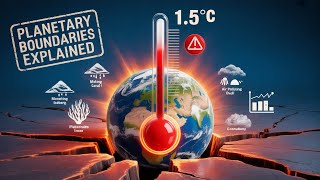
Business Podcast | Planetary Boundaries Explained: Why 1.5°C Wasn’t Just a Number

Business Podcast | Planetary Boundaries Explained: Why 1.5°C Wasn’t Just a Number

The