Media Summary: Bringing just the right amount of silliness into a tidying task gets preschoolers to cooperate, follow directions, and get the job done. A simple way to get students talking positively about their peers' work—and thinking about how they might improve their own. By asking students to retrieve from memory what they recently learned about a certain topic, partner with a classmate to discuss ...

60 Second Strategy Wind Up - Detailed Analysis & Overview

Bringing just the right amount of silliness into a tidying task gets preschoolers to cooperate, follow directions, and get the job done. A simple way to get students talking positively about their peers' work—and thinking about how they might improve their own. By asking students to retrieve from memory what they recently learned about a certain topic, partner with a classmate to discuss ... Improve the quality of class discussions by giving young kids a checklist of key things to look for when their peers talk. Subscribe ... A simple routine gives everyone more think time before sharing their responses—and helps manage students' enthusiasm for ... In this formative assessment game, table groups compete against each other to categorize key terms and concepts from the ...

In addition to dedicated time to practice a skill, this cooperative learning activity also provides an opportunity for peer feedback. This simple activity helps students practice giving and receiving peer feedback—and gets them out of their desks. Subscribe for ... For anyone who's ever wondered, “How do I get their attention back in a 1:1 environment?” Subscribe to our free email newsletter ... By incorporating this quick physical game into a math lesson, teachers help students focus on the task at hand. A discussion technique based on peer feedback helps students delve into complex texts and develop communication skills. An opening and closing exercise where every student contributes is a way to ensure that they all feel seen and heard in the ...

Demystify math word problems with this simple technique that helps kids see the story beyond the numbers. Subscribe for free to ...

Photo Gallery

60-Second Strategy: Wind-Up Cleanup
60-Second Strategy: Bean Critique
60-Second Strategy: Rapid Review
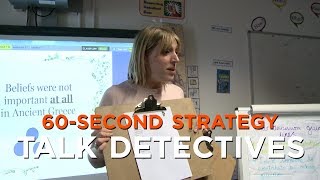
60-Second Strategy: Talk Detectives
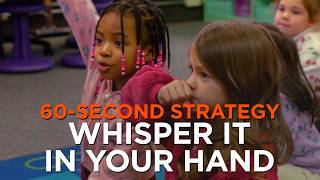
60-Second Strategy: Whisper It In Your Hand
60-Second Strategy: Quick Sorts
60-Second Strategy: Sage and Scribe
60-Second Strategy: Respond, Reflect, and Review
60-Second Strategy: Professional Courtesy
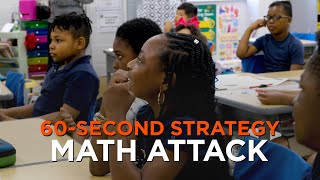
60-Second Strategy: Math Attack
60-Second Strategy: Fishbowl Discussion
60-Second Strategy: Community Circles
Sponsored
Sponsored
View Detailed Profile
60-Second Strategy: Wind-Up Cleanup

60-Second Strategy: Wind-Up Cleanup

Bringing just the right amount of silliness into a tidying task gets preschoolers to cooperate, follow directions, and get the job done.

60-Second Strategy: Bean Critique

60-Second Strategy: Bean Critique

A simple way to get students talking positively about their peers' work—and thinking about how they might improve their own.

Sponsored
60-Second Strategy: Rapid Review

60-Second Strategy: Rapid Review

By asking students to retrieve from memory what they recently learned about a certain topic, partner with a classmate to discuss ...

60-Second Strategy: Talk Detectives

60-Second Strategy: Talk Detectives

Improve the quality of class discussions by giving young kids a checklist of key things to look for when their peers talk. Subscribe ...

60-Second Strategy: Whisper It In Your Hand

60-Second Strategy: Whisper It In Your Hand

A simple routine gives everyone more think time before sharing their responses—and helps manage students' enthusiasm for ...

Sponsored
60-Second Strategy: Quick Sorts

60-Second Strategy: Quick Sorts

In this formative assessment game, table groups compete against each other to categorize key terms and concepts from the ...

60-Second Strategy: Sage and Scribe

60-Second Strategy: Sage and Scribe

In addition to dedicated time to practice a skill, this cooperative learning activity also provides an opportunity for peer feedback.

60-Second Strategy: Respond, Reflect, and Review

60-Second Strategy: Respond, Reflect, and Review

This simple activity helps students practice giving and receiving peer feedback—and gets them out of their desks. Subscribe for ...

60-Second Strategy: Professional Courtesy

60-Second Strategy: Professional Courtesy

For anyone who's ever wondered, “How do I get their attention back in a 1:1 environment?” Subscribe to our free email newsletter ...

60-Second Strategy: Math Attack

60-Second Strategy: Math Attack

By incorporating this quick physical game into a math lesson, teachers help students focus on the task at hand.

60-Second Strategy: Fishbowl Discussion

60-Second Strategy: Fishbowl Discussion

A discussion technique based on peer feedback helps students delve into complex texts and develop communication skills.

60-Second Strategy: Community Circles

60-Second Strategy: Community Circles

An opening and closing exercise where every student contributes is a way to ensure that they all feel seen and heard in the ...

60-Second Strategy: 3-Read Protocol

60-Second Strategy: 3-Read Protocol

Demystify math word problems with this simple technique that helps kids see the story beyond the numbers. Subscribe for free to ...