Media Summary: In this video I discuss the neurotransmitter gamma-aminobutyric acid, or GABA. GABA is the primary inhibitory neurotransmitter in ... Schizophrenia is a potentially severe psychiatric condition that involves a variety of symptoms. In this video, I discuss the ... How alcohol acts on the central nervous system to produce intoxication is still poorly understood. In this video, I attempt to ...

2 Minute Neuroscience Glutamate - Detailed Analysis & Overview

In this video I discuss the neurotransmitter gamma-aminobutyric acid, or GABA. GABA is the primary inhibitory neurotransmitter in ... Schizophrenia is a potentially severe psychiatric condition that involves a variety of symptoms. In this video, I discuss the ... How alcohol acts on the central nervous system to produce intoxication is still poorly understood. In this video, I attempt to ... Ketamine is an anesthetic, analgesic, antidepressant, and recreationally used drug. In this video, I discuss hypotheses about how ... Long-term depression, or LTD, is a process by which synaptic connections between neurons are weakened. Although the ... Psilocybin is a substance found in a number of mushroom species that can be ingested to cause psychoactive effects. Although ...

In this video I discuss acetylcholine, the first neurotransmitter ever discovered. The topics I cover include the locations of ... In this video, I discuss a few of the ways opioid drugs affect the brain, as well as the basis for opioid tolerance and withdrawal. A concussion is a type of mild traumatic brain injury that occurs when rapid movement of the head or an impact to the head causes ... In this video, I discuss the neurotransmitter serotonin. I cover serotonin synthesis, the primary location of serotonin-producing ... Caffeine is the most widely-used mind-altering substance in the world. Although it's not completely clear how caffeine causes the ... Nicotine is the main psychoactive component of tobacco, and thus one of the most widely used and abused drugs in the world.

In this video, I discuss the limbic system's role in emotion and I briefly describe some of the structures that are often included in the ... Long-term potentiation, or LTP, is a process by which connections between neurons become stronger with frequent activation. Alzheimer's disease is the most common form of neurodegenerative disease. In addition to the widespread neurodegeneration ... Dopamine is a monoamine and catecholamine neurotransmitter with many functions in the nervous system ranging from ... In this video, I describe the mechanisms underlying neurotransmitter release. I discuss how calcium influx is thought to play a role ... Benzodiazepines are commonly used to treat anxiety disorders and sleep disorders. They are thought to exert their effects in the ...

Photo Gallery

2-Minute Neuroscience: Glutamate
2-Minute Neuroscience: GABA
2-Minute Neuroscience: Schizophrenia
2-Minute Neuroscience: Alcohol
2-Minute Neuroscience: Ketamine
2-Minute Neuroscience: Long-Term Depression (LTD)
2-Minute Neuroscience: Psilocybin
2-Minute Neuroscience: Acetylcholine
2-Minute Neuroscience: Opioids
2-Minute Neuroscience: Concussions
2-Minute Neuroscience: Serotonin
2-Minute Neuroscience: Caffeine
Sponsored
Sponsored
View Detailed Profile
2-Minute Neuroscience: Glutamate

2-Minute Neuroscience: Glutamate

Glutamate

2-Minute Neuroscience: GABA

2-Minute Neuroscience: GABA

In this video I discuss the neurotransmitter gamma-aminobutyric acid, or GABA. GABA is the primary inhibitory neurotransmitter in ...

Sponsored
2-Minute Neuroscience: Schizophrenia

2-Minute Neuroscience: Schizophrenia

Schizophrenia is a potentially severe psychiatric condition that involves a variety of symptoms. In this video, I discuss the ...

2-Minute Neuroscience: Alcohol

2-Minute Neuroscience: Alcohol

How alcohol acts on the central nervous system to produce intoxication is still poorly understood. In this video, I attempt to ...

2-Minute Neuroscience: Ketamine

2-Minute Neuroscience: Ketamine

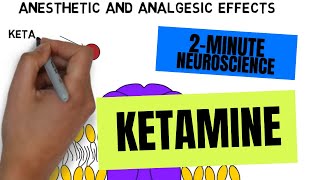
Ketamine is an anesthetic, analgesic, antidepressant, and recreationally used drug. In this video, I discuss hypotheses about how ...

Sponsored
2-Minute Neuroscience: Long-Term Depression (LTD)

2-Minute Neuroscience: Long-Term Depression (LTD)

Long-term depression, or LTD, is a process by which synaptic connections between neurons are weakened. Although the ...

2-Minute Neuroscience: Psilocybin

2-Minute Neuroscience: Psilocybin

Psilocybin is a substance found in a number of mushroom species that can be ingested to cause psychoactive effects. Although ...

2-Minute Neuroscience: Acetylcholine

2-Minute Neuroscience: Acetylcholine

In this video I discuss acetylcholine, the first neurotransmitter ever discovered. The topics I cover include the locations of ...

2-Minute Neuroscience: Opioids

2-Minute Neuroscience: Opioids

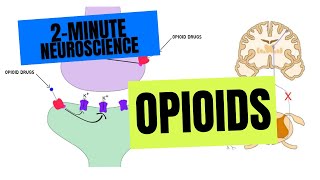
In this video, I discuss a few of the ways opioid drugs affect the brain, as well as the basis for opioid tolerance and withdrawal.

2-Minute Neuroscience: Concussions

2-Minute Neuroscience: Concussions

A concussion is a type of mild traumatic brain injury that occurs when rapid movement of the head or an impact to the head causes ...

2-Minute Neuroscience: Serotonin

2-Minute Neuroscience: Serotonin

In this video, I discuss the neurotransmitter serotonin. I cover serotonin synthesis, the primary location of serotonin-producing ...

2-Minute Neuroscience: Caffeine

2-Minute Neuroscience: Caffeine

Caffeine is the most widely-used mind-altering substance in the world. Although it's not completely clear how caffeine causes the ...

2-Minute Neuroscience: Nicotine

2-Minute Neuroscience: Nicotine

Nicotine is the main psychoactive component of tobacco, and thus one of the most widely used and abused drugs in the world.

2-Minute Neuroscience: Limbic System

2-Minute Neuroscience: Limbic System

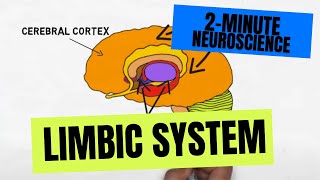
In this video, I discuss the limbic system's role in emotion and I briefly describe some of the structures that are often included in the ...

2-Minute Neuroscience: Long-Term Potentiation (LTP)

2-Minute Neuroscience: Long-Term Potentiation (LTP)

Long-term potentiation, or LTP, is a process by which connections between neurons become stronger with frequent activation.

2-Minute Neuroscience: Synaptic Transmission

2-Minute Neuroscience: Synaptic Transmission

In my

2-Minute Neuroscience: Alzheimer's Disease

2-Minute Neuroscience: Alzheimer's Disease

Alzheimer's disease is the most common form of neurodegenerative disease. In addition to the widespread neurodegeneration ...

2-Minute Neuroscience: Dopamine

2-Minute Neuroscience: Dopamine

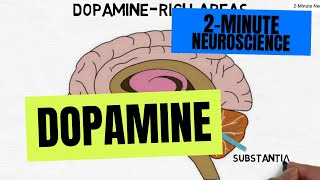
Dopamine is a monoamine and catecholamine neurotransmitter with many functions in the nervous system ranging from ...

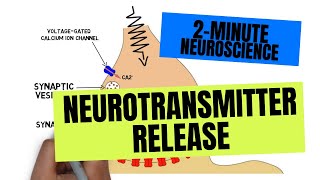
2-Minute Neuroscience: Neurotransmitter Release

2-Minute Neuroscience: Neurotransmitter Release

In this video, I describe the mechanisms underlying neurotransmitter release. I discuss how calcium influx is thought to play a role ...

2-Minute Neuroscience: Benzodiazepines

2-Minute Neuroscience: Benzodiazepines

Benzodiazepines are commonly used to treat anxiety disorders and sleep disorders. They are thought to exert their effects in the ...